October 20, 2026
The installation of a trailer hitch might seem like a straightforward weekend task, but it demands meticulous attention to technical detail. Ensuring a proper installation is crucial, as it impacts not only your towing capabilities but also the fundamental safety of your vehicle on the open road. Utilizing trained professionals for this critical task aligns your setup with strict industry standards and eliminates potential hazards that could lead to highway accidents, structural frame damage, or electrical failures. Selecting, fitting, and mounting custom-fit trailer hitches requires specialized mechanical knowledge to ensure safety under maximum load. While a DIY installation might initially appear appealing for financial reasons, the severe safety risks and potential hidden repair costs far outweigh any short-term savings. Professional installation remains the most prudent, safe, and cost-effective choice for any vehicle owner.
Understanding Vehicle-Specific Installation Requirements
Every vehicle model features unique frame configurations, exhaust layouts, and electrical architectures that dictate specific trailer hitch requirements. Professional installers possess extensive technical knowledge of these structural variations, allowing them to tailor their mechanical approach to your vehicle's precise design. They understand that ignoring minor frame discrepancies or utilizing incorrect mounting hardware can lead to severe structural failures down the road. Furthermore, professional technicians utilize vehicle specification databases to select the ideal towing setup for your specific automobile. This specialized expertise guarantees that the physical installation perfectly matches your vehicle's rated capabilities, ensuring maximum safety and long-term mechanical performance.
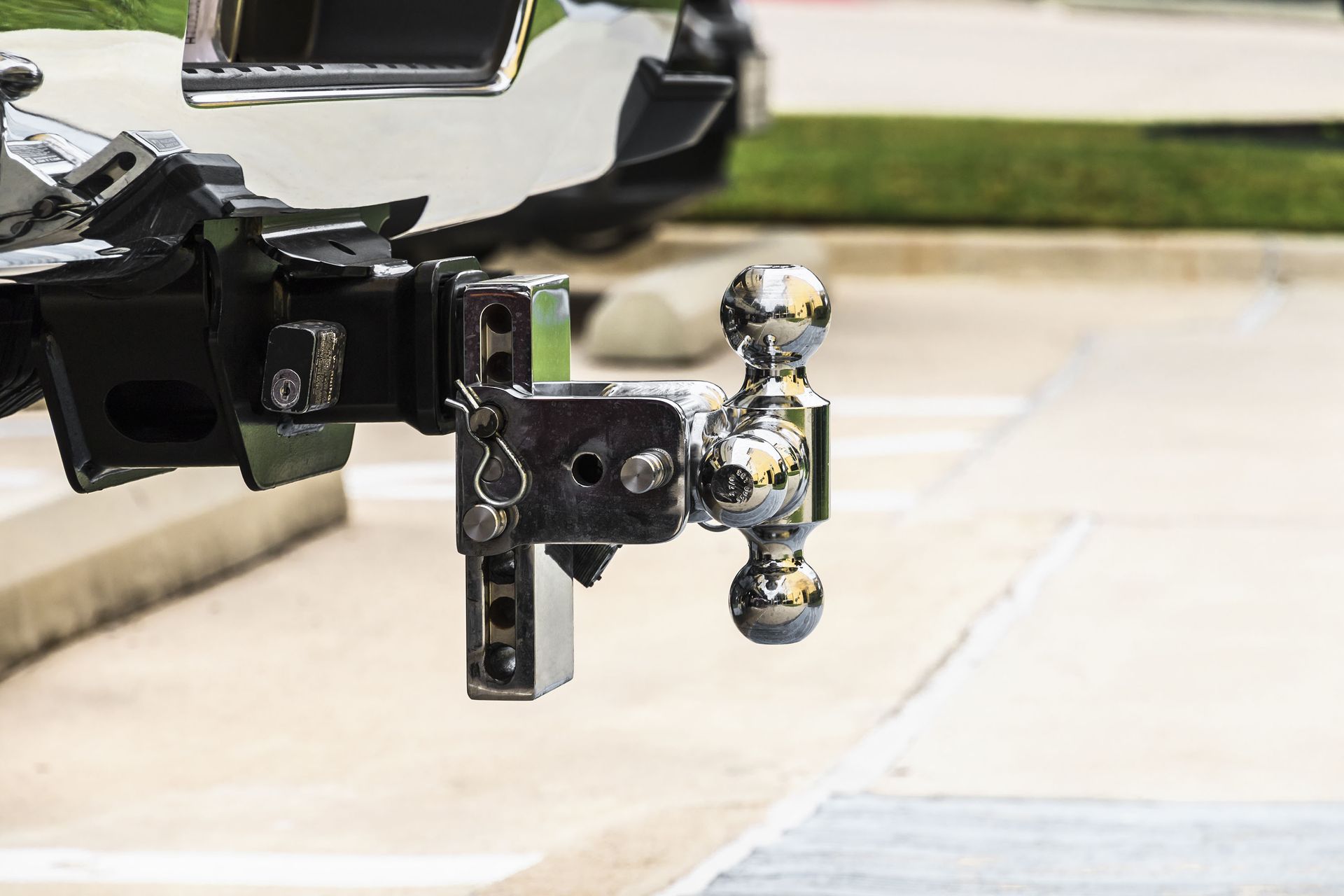
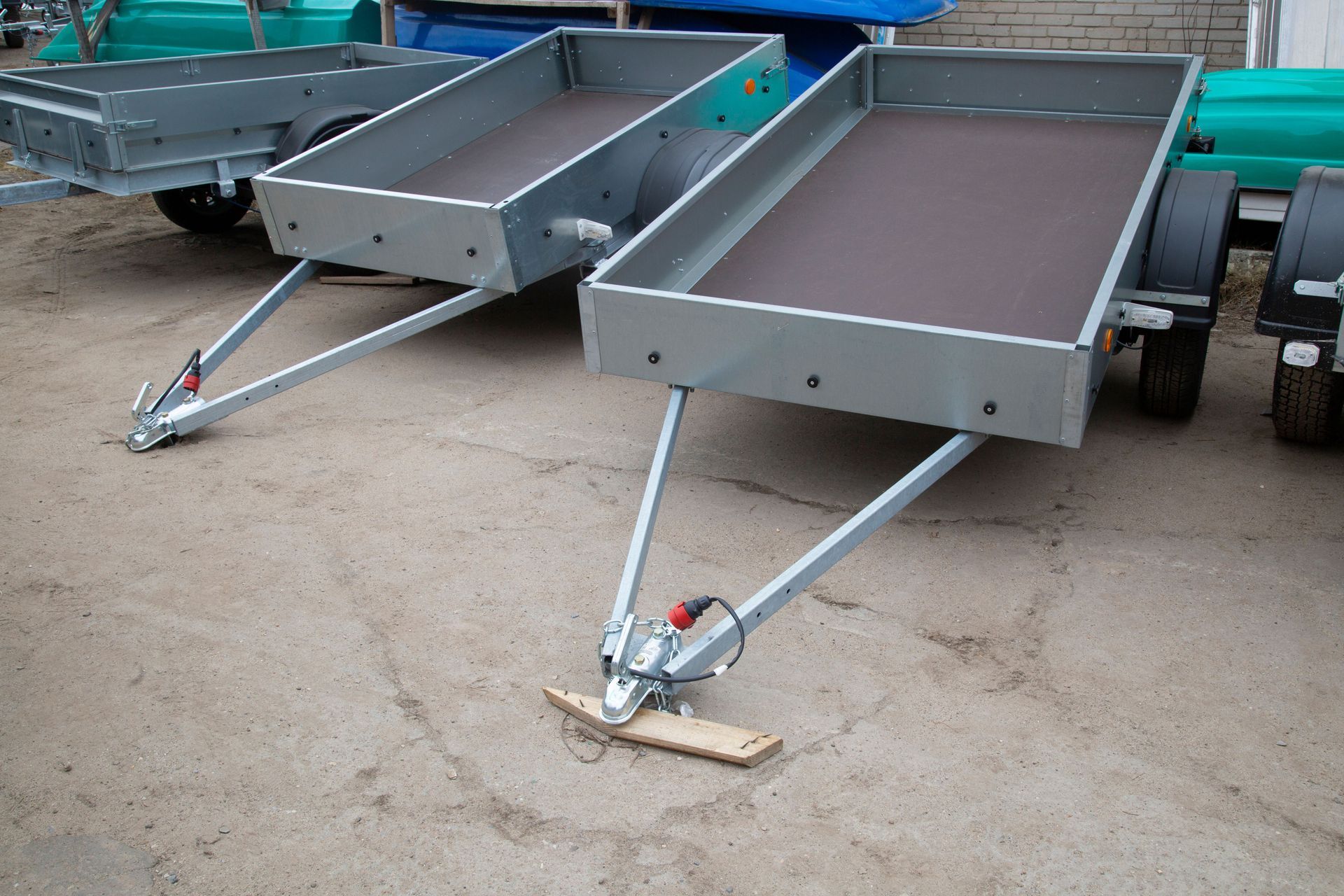
For many drivers, the technical nuances of selecting and mounting receiver hitches, fifth-wheel couplers, or gooseneck mounts can become overwhelming. The inherent complexity is compounded by the diverse array of trailer hitches available on the market today, each requiring a distinct mechanical attachment process and specific torque metrics. Without a thorough understanding of these structural variations, an amateur installation easily results in misaligned components that place dangerous, uneven stress on the vehicle's unibody or frame. Professional technicians prevent these mechanical stresses through careful prep work, precise drilling when required, and exact torque application.
Professionals bring years of practical experience gained from executing countless installations across diverse automotive platforms. This trained approach ensures that your hitch configuration is perfectly matched to both your vehicle's chassis limits and your intended towing demands. By relying on certified technicians, vehicle owners avoid the stressful trial-and-error process that plagues DIY projects. According to Camping Business, first-time RV owners make up 36% of all owners in 2025, and these new enthusiasts benefit immensely from expert installation that establishes confidence and safe towing habits right from the start.
Managing Weight Distribution and Chassis Dynamics
Accurate weight distribution is a fundamental aspect of safe towing, directly governing vehicle handling, braking efficiency, and road stability. An improperly mounted hitch can lead to uneven tongue weight, escalating the risk of violent trailer sway or dangerous loss of steering control at highway speeds. Professional installers excel at selecting and adjusting heavy-duty trailer hitches so that load distribution across the tow vehicle's axles remains balanced, utilizing specialized adjustment techniques to mitigate potential sway issues. Correctly distributed weight eases strain on your vehicle's rear suspension, enhancing overall braking performance and tire longevity.
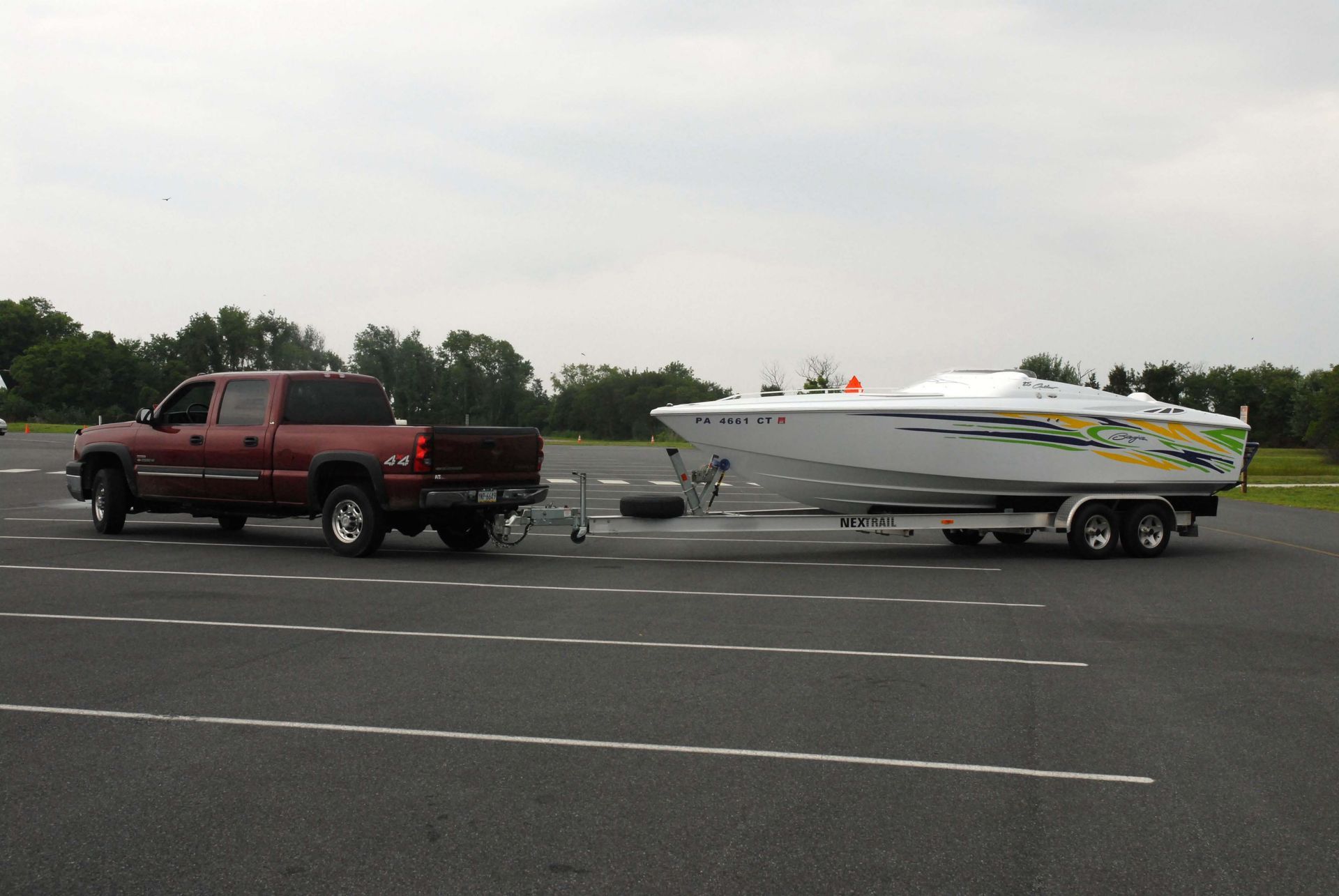
One of the greatest safety hazards when hauling heavy loads involves how tongue weight affects the physical connection between the tow vehicle and the trailer. Incorrect weight distribution overloads the rear axle, lifting the front tires and severely compromising steering response and stopping distances. Professional installers verify that the downward force exerted on the hitch ball remains strictly within recommended manufacturer parameters. Without specialized measuring tools and technical experience, DIY attempts frequently overlook these critical balance metrics, creating unstable and hazardous driving conditions.
Proper weight dynamics also protect the structural longevity of both your towing vehicle and your trailer frame. Incorrect load distribution accelerates wear on shock absorbers, leaf springs, wheel bearings, and braking components, resulting in costly mechanical repairs. For new trailer owners, mastering these physical dynamics is essential to preserving their financial investment over time. Hiring professionals eliminates the guesswork involved in setting up distribution bars and sway control systems, delivering a safer, more manageable, and highly economical towing experience across every journey.
Integrating Advanced Tools and Electrical Systems
Professional hitch installations rely on specialized diagnostic machinery and heavy-duty shop tools unavailable to the average home mechanic. Initial vehicle evaluations utilize electronic measuring devices and alignment gauges to identify optimal mounting locations and existing frame tolerances. Technicians utilize calibrated torque wrenches, pneumatic tools, and precision metal-cutting equipment to achieve an exact fit resistant to heavy vibration and stress. The skillful application of these professional tools guarantees that every mounting bolt on custom trailer hitches is tightened to exact factory specifications, establishing a permanent, reliable connection.
Modern vehicles rely on intricate electronic networks to manage trailer stability, lighting controls, and integrated brake modules. Properly integrating a new wiring harness requires tapping into your vehicle's electrical architecture without triggering dashboard error codes, blowing fuses, or voiding factory electronics warranties. Professional technicians utilize plug-and-play wiring harnesses, heavy-duty relays, and specialized circuit testers to establish flawless communication between your car and your trailer. This seamless electronic integration ensures that turn signals, hazard lights, and electric trailer brakes function flawlessly under all conditions.
Mitigating Severe Safety Risks and Vehicle Damage
Improper hitch attachment poses severe safety risks to vehicle occupants and fellow motorists alike. A misaligned or under-torqued hitch can detach while driving, converting a heavy trailer into an unguided hazard on busy highways. Furthermore, installing incorrect hardware can crack unibody frames, shear mounting bolts, or crush unreinforced frame channels under heavy load pressure. Professional installers eliminate these catastrophic risks by securing every component according to rigid safety protocols, ensuring your towing setup withstands extreme road vibrations and sudden stops.
Attempting to mount heavy steel trailer hitches without lift equipment or proper guidance frequently results in physical vehicle damage. Misguided drilling can puncture fuel lines, sever wiring looms, or weaken critical structural crossmembers. These hidden mistakes often go unnoticed until major component failures occur far down the road. Furthermore, improperly supported hitches alter suspension geometry, causing severe tire wear and damaging expensive rear differential components. Expert technicians prevent these costly errors by utilizing vehicle-specific installation guides and professional hoist equipment.
Navigating Legal Standards and Insurance Compliance
Legal compliance is a critical aspect of road safety, yet it is frequently overlooked during amateur driveway installations. State and federal regulations strictly govern trailer hitch classifications, weight limits, safety chain attachments, and auxiliary lighting requirements. Certified shops ensure that all commercial and passenger trailer hitches meet regulatory safety ratings and weight class guidelines. Non-compliant towing setups subject drivers to heavy law enforcement fines, failed vehicle inspections, and immediate roadside impoundment. Professional installers maintain up-to-date knowledge regarding evolving transportation codes, ensuring your complete towing configuration strictly adheres to all state and federal highway safety mandates.
From an insurance perspective, operating a vehicle with an uncertified or improperly mounted hitch creates immense personal liability. In the event of a highway accident, insurance adjusters conduct thorough forensic investigations to determine mechanical causality. If an accident stems from an improperly torqued bolt or an unapproved frame modification, insurance carriers may deny coverage, leaving you personally responsible for extensive property damage and medical liabilities. Professional installation invoices provide certified documentation of proper workmanship, protecting you against insurance disputes.
Leaving trailer hitch installation to certified professionals is the smartest choice for ensuring highway safety, legal compliance, and long-term vehicle protection. From selecting the precise vehicle-specific hardware to integrating complex electronic brake controllers and balancing tongue weights, professional installation eliminates dangerous mistakes. Experienced technicians know how to inspect, mount, and test all classes of trailer hitches to ensure flawless performance. Investing in expert installation safeguards your vehicle's factory warranty, protects your personal insurance coverage, and delivers absolute confidence on every road trip. When you are ready to equip your vehicle for your next hauling task or family adventure, trust the certified specialists at A & A Trailer Hitch Center Inc. for expert installation, high-quality hardware, and unparalleled customer service.