August 19, 2026
Owning a trailer opens up incredible opportunities for exciting road trips, outdoor recreation, and efficient commercial hauling. However, keeping this specialized equipment in top working condition requires a steadfast commitment to routine maintenance and timely service. When vehicle owners overlook minor operational issues, small wear items can quickly escalate into dangerous mechanical failures on the highway. Taking a proactive approach to equipment care ensures that every journey remains smooth, efficient, and completely safe for everyone on the road.
According to Market Report Analytics, the global trailer hitch industry was valued at $773.1 million in 2025 and continues to see steady expansion due to growing consumer and commercial demand for RVs, caravans, and utility trailers. As towing activities continue to increase across the nation, understanding how to manage essential trailer repairs becomes vital for every equipment owner. By familiarizing yourself with the core mechanical components of your setup, you can prevent unexpected road breakdowns before they happen. Investing early in routine preventive care will extend the overall lifespan of your rig while saving you substantial money over time.
Inspect Your Wheel and Tire Assemblies
Tires represent the critical point of contact between your heavy load and the open pavement, making them a top priority during routine vehicle checkups. You should consistently monitor tire pressure, tread depth, and overall rubber integrity before embarking on any extended cross-country journey. Underinflated tires generate excessive internal heat during high-speed transit, which dramatically increases the risk of sudden blowouts. Furthermore, routinely verifying that wheel lug nuts are torqued to manufacturer specifications prevents dangerous wheel separation while hauling heavy cargo.
Wheel bearings also fulfill a vital function by facilitating smooth tire rotation under heavy load conditions. These specialized steel bearings require fresh high-grade grease annually or every ten thousand miles to eliminate friction and heat buildup. When wheel bearings overheat because of inadequate lubrication, they can weld themselves to the axle spindle and cause catastrophic structural damage. Recognizing unusual bearing noise early helps operators address minor issues before extensive trailer repairs become necessary.
In addition to monitoring air pressure and bearing conditions, inspecting tires for uneven tread wear can reveal underlying axle alignment problems. Irregular tread wear patterns typically point to overloaded axles, worn suspension bushings, or improper weight distribution inside the cargo box. Correcting these alignment issues promptly protects your financial investment and ensures stable handling during adverse driving conditions. Rotating your tires on a regular schedule also helps equalize rubber wear across all axles on tandem setups.
Maintain Your Braking Systems Properly
Trailer braking systems carry a massive responsibility when slowing down heavy loads from highway speeds. Whether your equipment utilizes electric, hydraulic, or surge braking mechanisms, frequent inspection of pads and shoes remains essential for highway safety. Severely worn brake shoes diminish stopping power and place unnecessary strain on your primary towing vehicle's brakes. Scheduling timely trailer repairs as soon as you notice reduced responsiveness prevents severe scoring damage to the brake drums.
Electric brake controllers require precise initial setup and regular calibration to guarantee synchronized stopping power between tow vehicle and trailer. If the trailer brakes grab too aggressively, the tires will lock up and create severe flat spots on the tread pattern. Conversely, insufficient trailer braking forces the primary vehicle to absorb all the stopping momentum, resulting in accelerated brake shoe wear. Routine trailer repairs focused on cleaning electrical ground connections help maintain steady voltage delivery to each wheel hub assembly.
Hydraulic brake fluid levels within surge systems must also be monitored regularly to prevent total system failure. Moisture contamination inside brake lines can corrode internal master cylinder parts, leading to hydraulic fluid leaks and loss of stopping pressure. Flushing out old brake fluid every two years keeps the internal lines free from moisture, rust, and debris. Keeping these critical hydraulic parts in peak operating condition guarantees reliable braking when descending steep mountain grades.
Service Your Electrical Wiring and Lights
A fully operational lighting system is mandatory for communicating your movements to surrounding drivers and remaining compliant with highway laws. Brake lights, turn signals, running markers, and reverse lamps must operate flawlessly every time you pull onto public roads. Damaged wire harnesses, pinched cables, or exposed copper conductors lead to frustrating short circuits, blown fuses, and flickering light output. Taking time to inspect the main wiring loom helps catch cracked insulation before electrical short circuits develop.
Moisture entry remains one of the primary catalysts for persistent electrical problems in modern utility trailering setups. Highway road spray, heavy rainfall, and boat ramp subversions can rapidly corrode unsealed electrical pins inside the connector plug. Applying dielectric grease generously to bulb sockets and plug contacts shields sensitive copper terminals from oxidation and rust formation. When troubleshooting complex wiring faults becomes difficult, seeking professional trailer repairs ensures that all connections are correctly soldered and sealed.
Upgrading outdated incandescent lighting assemblies to modern LED fixtures offers a dramatic improvement in nighttime road visibility and system durability. LED units draw significantly less current from your vehicle battery, output brighter illumination, and withstand harsh road vibrations effortlessly. Cleaning frame grounding points and securing dangling wire harnesses prevents intermittent light loss while traveling across bumpy terrain. Effective wire management underneath the frame chassis prevents trailing cables from catching road debris or dragging on the asphalt.
Protect Your Structural Frame and Hitch
The structural strength of your main frame and hitch assembly dictates how safely your equipment handles heavy payload weights. Cracks along structural welds, bent crossmembers, or deep frame corrosion can compromise the structural capacity of the chassis over time. Performing thorough visual inspections allows you to detect subtle stress cracks or metal fatigue before frame failure occurs on the highway. Executing necessary structural trailer repairs promptly preserves the overall load rating and safety of your hauling rig.
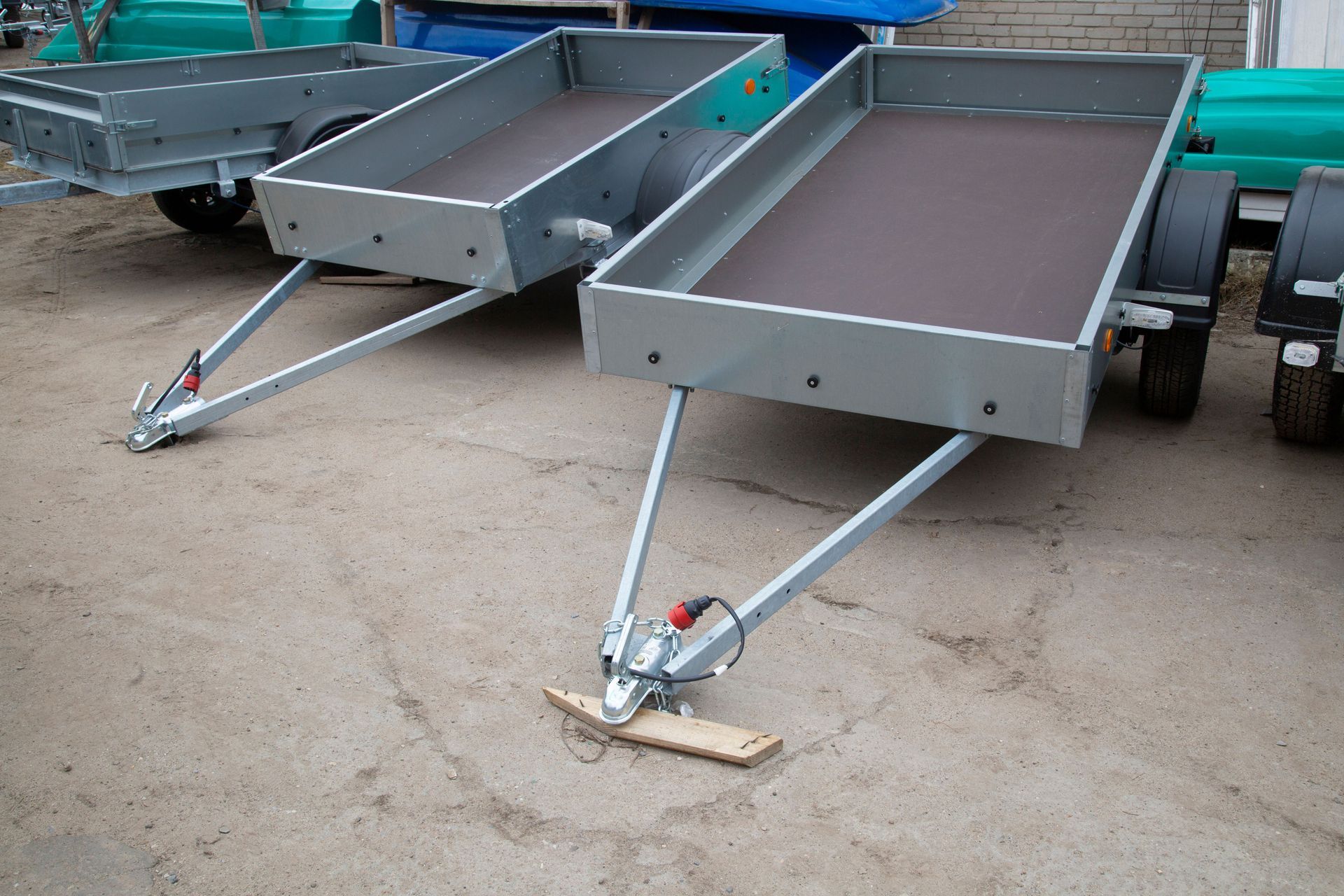
Hitch couplers, locking latches, and safety chains demand frequent cleaning and proper lubrication to function smoothly and securely. Road dust, gravel grit, and grime tend to collect inside the coupler mechanism, causing mechanical binding and difficult latching. Applying heavy-duty coupler grease minimizes destructive friction between the trailer tongue and the tow vehicle's hitch ball. Inspecting safety chains for worn links, rust, or damaged retention hooks ensures a dependable secondary connection if primary coupling fails.
Rust management is another essential component of long-term chassis preservation, particularly for equipment exposed to road salts or marine environments. Flaking surface rust should be scrubbed away with a wire brush, coated with rust converter, and painted with protective enamel. Applying rubberized undercoating sealant shields the underside of the floorboards and frame rails from gravel impact and road brine. Catching structural corrosion early preserves overall frame rigidity and prevents catastrophic structural failures during demanding hauling jobs.
Furthermore, complex trailer repairs involving axle realignment, tongue extension, or structural frame welding should always be performed by certified technicians. Attempting DIY structural repairs on heavy load-bearing members without specialized welding expertise can severely weaken frame strength and compromise safety. Professional repair facilities possess the specialized alignment racks and heavy welding gear required to restore original factory tolerances. Leaving major structural work to experienced specialists provides total peace of mind every time you haul a heavy load.
Maintaining a trailer requires constant vigilance across every mechanical, electrical, and structural sub-system on the vehicle. By staying proactive with routine tire checks, brake adjustments, electrical wiring protection, and frame maintenance, you safeguard your financial investment. When unexpected mechanical failures inevitably arise, securing high-quality
trailer repairs ensures your towing rig remains dependable for years to come. Establishing a consistent maintenance routine is always the most effective strategy for reliable, stress-free transportation.
At A & A Trailer Hitch Center Inc, we are dedicated to offering superior towing products and professional maintenance service to keep your equipment running smoothly. Our experienced technicians provide complete safety inspections, custom hitch installations, and expert repairs tailored to your specific vehicle setup. Contact us today or visit our service center to ensure your trailer is fully prepared for your next big journey.