September 21, 2026
Selecting the right towing equipment requires more than simply finding a component that fits the back of a vehicle. Drivers must consider vehicle capacity, trailer weight, towing frequency, road conditions, and the type of cargo being transported. A properly selected trailer hitch can improve stability, support safer handling, and help protect both the towing vehicle and the load. Understanding the major factors involved in hitch selection allows drivers to build a towing setup suited to their specific needs.
Understanding the Basics of Towing Hitches
A trailer hitch is a specialized connection point that allows a vehicle to securely tow a trailer or support certain accessories. These components are generally manufactured from durable steel and engineered to withstand the forces created during acceleration, braking, cornering, and travel over uneven roads. Different designs are available for passenger cars, crossovers, SUVs, pickup trucks, and commercial vehicles, making proper selection an important part of preparing for towing.
Common options include receiver, bumper, gooseneck, and fifth-wheel designs. Receiver hitches are widely used because they can accommodate numerous accessories and towing applications. Gooseneck and fifth-wheel systems are generally associated with pickup trucks and heavier trailers because their mounting positions help distribute substantial loads through the vehicle. The appropriate design depends on the vehicle, intended load, and towing environment.
Learning Important Towing Terminology
Understanding basic terminology makes it easier to compare equipment. Gross trailer weight refers to the total weight of the loaded trailer, including cargo, equipment, fluids, and other items being transported. Tongue weight describes the downward force placed on the hitch connection by the trailer. Both figures must remain within the limits established for the towing equipment and vehicle.
Drivers may also encounter terms such as hitch class, gross combined weight rating, payload, receiver size, and weight distribution. These specifications describe different aspects of the towing system and should not be treated as interchangeable. Reviewing them before purchasing equipment can prevent a mismatch that could negatively affect braking, steering, or vehicle stability.
Assessing What You Plan to Tow
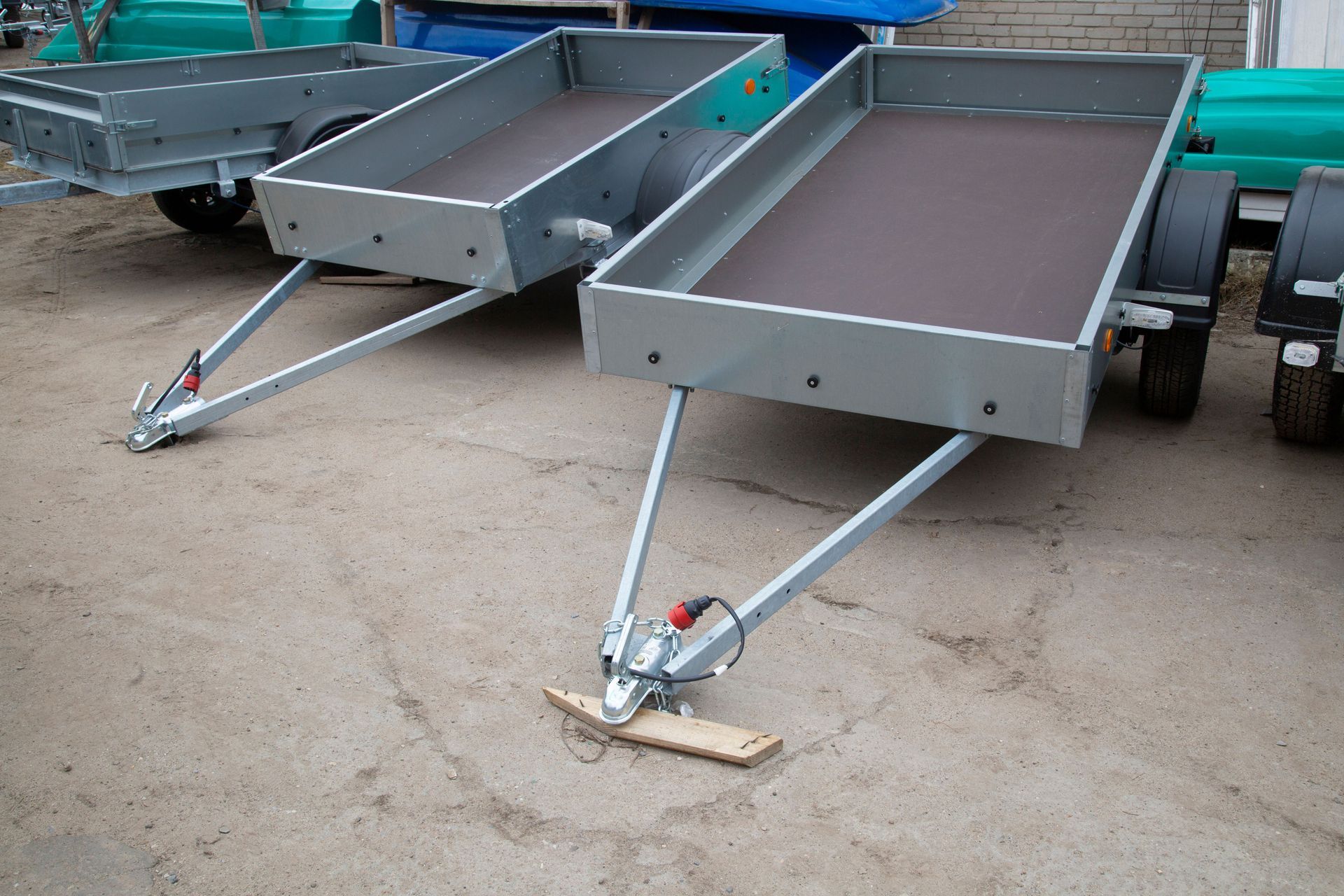
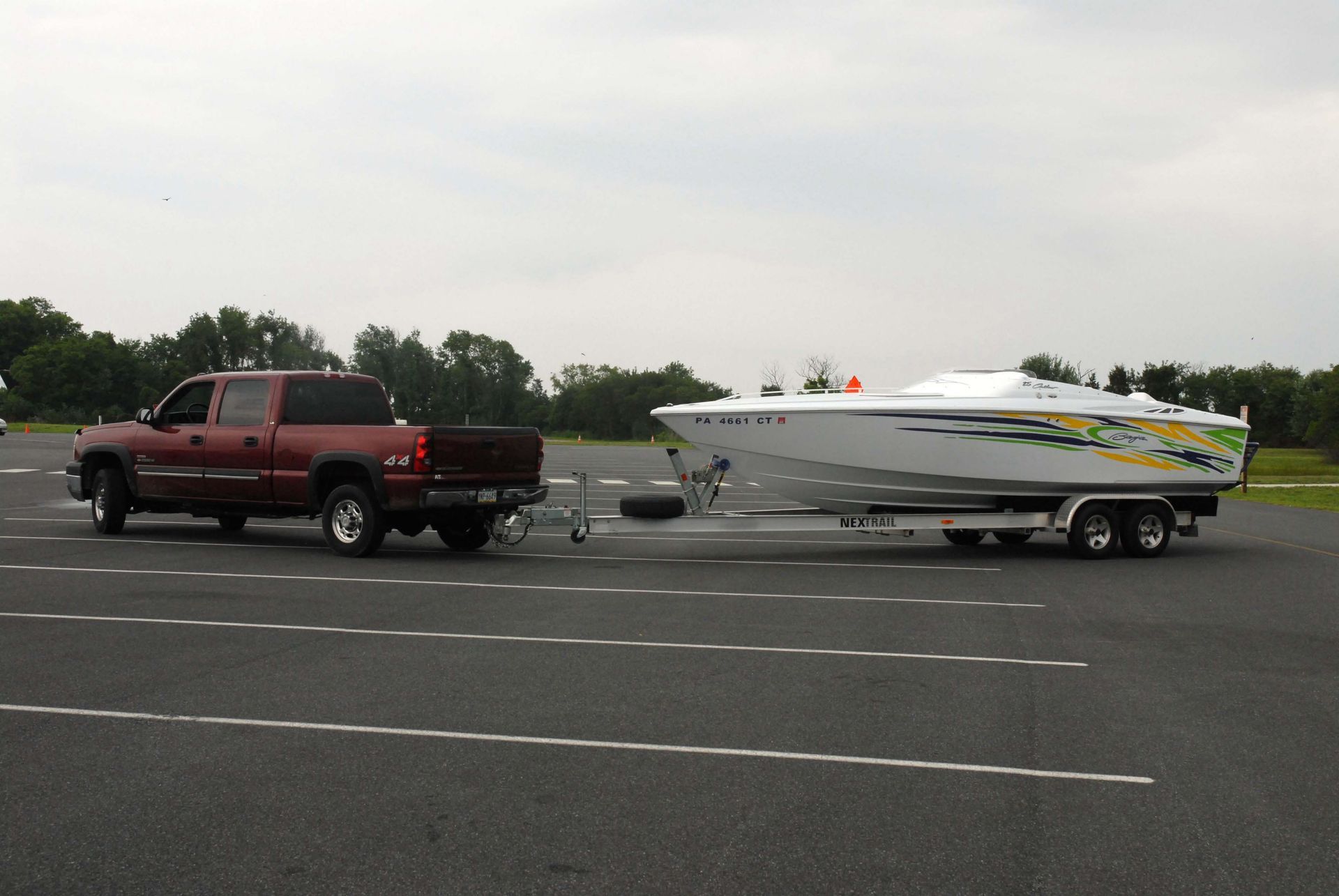
The type of load being transported is one of the most important considerations when selecting a trailer hitch. A small utility trailer carrying landscaping materials has different requirements from a camper, boat, equipment trailer, or horse trailer. Drivers should determine the expected loaded weight rather than relying only on the empty weight of the trailer. Tools, supplies, recreational equipment, water, and other cargo can substantially increase the final load.
It is also helpful to consider how the trailer will be used. Occasional short trips may place different demands on equipment than frequent highway towing or regular travel over rough terrain. Drivers who tow frequently should prioritize durability, convenient connections, and components designed for repeated use. Planning for realistic operating conditions helps create a more practical towing setup.
Checking Vehicle Towing Capacity
Every vehicle has specific towing and load limitations established by its manufacturer. Before selecting equipment, owners should review the owner's manual and other manufacturer information for the applicable model, configuration, engine, drivetrain, and towing package. Two vehicles from the same model line can sometimes have significantly different capabilities because of their mechanical specifications.
A trailer hitch with a high rating does not automatically increase the amount a vehicle can safely tow. The towing system is limited by its lowest-rated component, which may include the vehicle itself, hitch, ball mount, hitch ball, or another part of the connection. Staying within all applicable limits helps protect the suspension, brakes, transmission, and other vehicle systems from excessive stress.
Understanding Hitch Classes
Receiver hitches are commonly grouped into classes based on their intended applications and weight ratings. Lighter classes are typically associated with smaller vehicles, cargo carriers, bike racks, and lightweight trailers. Higher classes are commonly installed on SUVs, pickup trucks, and other vehicles intended for more substantial towing duties.
Class alone should not be used to determine compatibility. Ratings can vary by manufacturer and individual product, so drivers should verify the specifications of the exact equipment being considered. Selecting a class appropriate for the vehicle and expected load provides a foundation for safe towing without unnecessarily installing equipment designed for loads the vehicle cannot handle.
Considering Weight Distribution and Trailer Balance
Correct weight distribution is essential because an improperly balanced trailer can affect steering, braking, and stability. Too little weight toward the front of the trailer may contribute to sway, while excessive tongue weight can place unnecessary strain on the rear suspension of the tow vehicle. Cargo should be secured and positioned according to trailer and vehicle recommendations.
For certain applications, a weight-distribution system may be recommended to improve how forces are transferred between the vehicle and trailer. However, compatibility should always be verified before adding one. Equipment designed to control sway may also be appropriate for some trailers, particularly when traveling at highway speeds or through changing weather conditions.
Matching the Hitch to the Vehicle
Fitment is another major consideration when choosing a trailer hitch. Mounting locations, frame construction, exhaust routing, spare tires, body panels, and other vehicle components can influence which designs can be installed. Vehicle-specific products are generally engineered around these features to provide secure attachment points while maintaining appropriate clearance.
Drivers should also consider whether they expect their towing requirements to change. Someone purchasing a larger trailer in the near future may benefit from planning ahead, provided the vehicle is rated for the anticipated load. However, selecting oversized equipment cannot compensate for a vehicle that lacks the necessary towing capacity.
Choosing the Correct Supporting Components
The hitch itself is only one part of a complete towing system. Depending on the setup, additional components can include a ball mount, hitch ball, locking pin, safety chains, electrical connector, brake controller, and wiring harness. Each component should be compatible with the others and rated appropriately for the intended application.
Ball size and coupler size must match to create a secure connection. The height of the ball mount is also important because the trailer should generally remain level when attached to the loaded tow vehicle. Excessive upward or downward angles can influence handling and weight distribution. Taking measurements before purchasing accessories can help prevent fitment problems.
Reviewing Towing Laws and Requirements
Towing requirements can differ depending on location, trailer size, and weight. Regulations may address safety chains, braking systems, lighting, registration, mirrors, maximum dimensions, and other equipment. Drivers traveling across state lines should remember that requirements can change as they enter different jurisdictions.
Legal compliance should be considered alongside manufacturer recommendations rather than as a substitute for them. Meeting a minimum legal requirement does not necessarily mean a particular towing configuration is suitable for the vehicle. Checking applicable regulations before traveling can help drivers avoid preventable safety concerns and compliance problems.
Deciding Between DIY and Professional Installation
Some towing components are designed for straightforward installation, while others require substantial mechanical work. A do-it-yourself installation may be reasonable for someone with the necessary tools, experience, and ability to follow manufacturer instructions precisely. Bolts must be tightened to specified torque values, and electrical components should be routed and connected correctly.
Professional installation may be preferable when drilling, frame modifications, complex wiring, or heavy equipment is involved. A professional can also help verify fitment and identify supporting components needed for the intended trailer. Regardless of who performs the work, the completed installation should be carefully inspected before towing.
Selecting the correct trailer hitch ultimately requires balancing vehicle specifications, trailer weight, equipment compatibility, driving conditions, and expected use. Careful planning, proper installation, routine maintenance, and consistent safety checks help create a towing system that performs reliably. By treating every component as part of a complete system, drivers can improve control and confidence whether towing occasionally or on a regular basis. Contact our team at A & A Trailer Hitch Center Inc today and learn more about our trailer hitch services.